 English
 русский
 Español
¡Envíenos un correo electrónico ahora!
¡Envíenos un correo electrónico ahora!
Noticias de la industria
 Hogar / Noticias / Noticias de la industria / Sierra alternativa industrial: diseñada para cortes preliminares
 2026.09.04
 Noticias de la industria
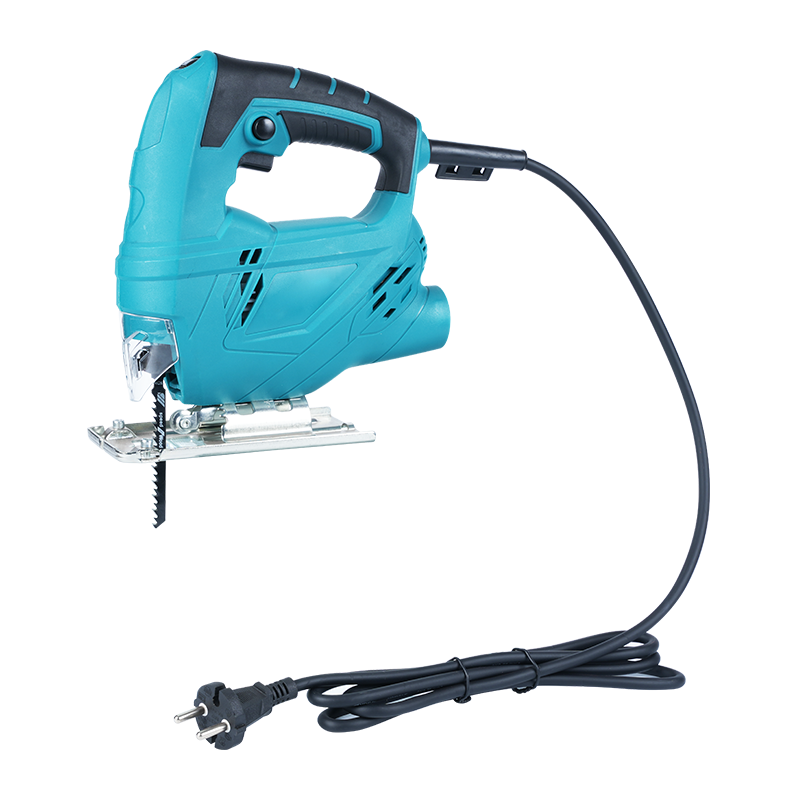
Las aplicaciones industriales ejercen una presión considerablemente mayor sobre el motor de una sierra en comparación con el uso doméstico ocasional. ONU sierra alternativa industrial Por lo general, alberga un motor de mayor amperaje capaz de mantener una potencia constante incluso cuando se corta material denso o resistente como acero estructural o madera gruesa. Los motores más débiles tienden a atascarse bajo este tipo de carga continua, perdiendo velocidad de carrera y luchando por mantener un ritmo de corte limpio.
La gestión del calor también se convierte en un factor real. Los motores que funcionan a un alto rendimiento sostenido generan más calor, por lo que los modelos industriales a menudo incluyen características de ventilación o componentes internos más resistentes diseñados específicamente para soportar tiempos de funcionamiento prolongados sin sobrecalentarse durante un turno completo de corte continuo.
La selección de la hoja juega un papel importante en la eficacia con la que se desempeña una sierra industrial alternativa en diferentes materiales. Debido a que los lugares de trabajo a menudo involucran materiales mezclados dentro de un solo proyecto, tener a mano la hoja adecuada para cada tarea es de gran importancia. Las categorías de hojas comunes incluyen:
Hacer coincidir el tipo de hoja con el material no se trata sólo de la velocidad de corte; El uso de una hoja incorrecta puede provocar un desgaste prematuro, rotura de la hoja o un corte desigual que requiera un trabajo de limpieza adicional posterior.
La mayoría de los modelos de grado industrial incluyen gatillos de velocidad variable, lo que permite al operador ajustar la velocidad de carrera según el material que se está cortando. Las velocidades más lentas tienden a ofrecer más control al iniciar un corte o al trabajar cerca de bordes donde la precisión importa, mientras que las velocidades más rápidas se adaptan a cortes sencillos en materiales más blandos donde la velocidad es la prioridad. Esta capacidad de ajuste brinda a los operadores más flexibilidad en un solo trabajo que podría implicar cortar varios tipos diferentes de materiales en secuencia.
La acción orbital es otra característica que se encuentra en muchos modelos industriales, agregando un ligero movimiento elíptico al recorrido de la hoja en lugar de una línea puramente recta. Este movimiento orbital tiende a acelerar el corte de materiales más blandos como la madera, aunque normalmente se desactiva al cortar metal, donde un trazo recto produce un corte más limpio y controlado.
Una ventaja práctica de un sierra alternativa industrial sobre otras herramientas de corte es su capacidad para trabajar en posiciones limitadas o incómodas. La hoja se extiende desde la parte frontal de la herramienta, lo que permite a los operadores llegar a las cavidades de las paredes, cortar tuberías al ras de una superficie o trabajar por encima de la cabeza de maneras que las herramientas más voluminosas no pueden manejar fácilmente. Esta maniobrabilidad es parte de la razón por la que estas sierras aparecen con frecuencia en trabajos de renovación y demolición, donde los ángulos de corte rara vez siguen un camino abierto y directo.
Algunos factores que normalmente influyen en el rendimiento de una sierra en estas condiciones de trabajo más estrictas incluyen:
Estas consideraciones son importantes especialmente en situaciones en las que un trabajador puede estar sosteniendo la sierra en una posición inusual durante períodos prolongados, ya que la fatiga puede afectar la precisión del corte en el transcurso de una tarea larga.
Productos recomendados
Información del contacto
Móvil: +86-13486952519
Whatsapp/wechat:+86-13486952519
Correo electrónico: [email protected]
Dirección: Dawu Village, Huajie Town, Yongkang, Jinhua City, Zhejiang Province, China
Producto
¡Contáctanos!